Snow Fox Planter STL – Fox Plant Pot
The Snow Fox Planter STL – Fox Plant Pot represents a specific niche within the 3D printing community, blending functional utility with aesthetic charm. This digital file provides the instructions necessary to create a physical planter modeled after an arctic fox lying down in a relaxed posture. Unlike mass-produced ceramic or plastic pots, this design relies on the user's access to a 3D printer and the ability to process STL (Stereolithography) files. For individuals evaluating whether to download and print this model, it is essential to understand not just its visual appeal, but also the practical implications of bringing a digital design into a physical space.
Understanding the Design and Functionality
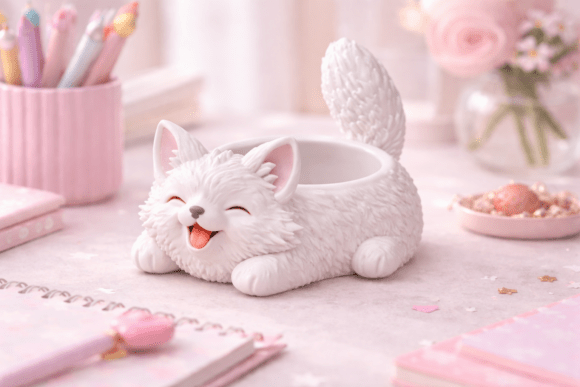
At its core, the Snow Fox Planter STL is a geometric representation of a fluffy animal designed to hold small objects. The model features a fox with a happy expression and a curled tail, creating a container in the center of its body. The "snow" aspect refers to the intended color palette—typically white, cream, or pastel tones—and the texture details that mimic fur without requiring complex post-processing.
Functionally, the design serves as a vessel for small succulents, cacti, or artificial greenery. However, because the primary focus is often on the character design rather than horticultural engineering, the capacity is limited. It is generally unsuitable for large plants or those with extensive root systems. Beyond gardening, the open cavity makes it equally effective as a pen holder, a desk organizer for small tools, or a standalone decorative piece that contributes to a cozy, kawaii, or minimalist aesthetic.
Evaluating the Benefits for Your Space
There are several compelling reasons why someone might choose the Snow Fox Planter STL – Fox Plant Pot over traditional store-bought options. The primary advantage is customization. Because the object is created via 3D printing, the user controls the material, color, and scale. You can print it in matte white PLA for a soft look, use silk PLA for a subtle sheen, or even experiment with flexible filaments for a different tactile experience.
Key benefits include:
- Aesthetic Versatility: The design fits seamlessly into various decor styles, from modern minimalism to whimsical, pastel-themed rooms. The detailed yet clean lines ensure it does not appear cluttered.
- Cost Efficiency: Once the initial investment in a 3D printer is made, the cost of producing multiple planters is significantly lower than purchasing individual artisanal pots.
- Multipurpose Utility: If you prefer not to deal with soil or watering, the pot functions perfectly as a desktop organizer, keeping pens, pencils, or charging cables tidy while adding personality to a workspace.
- Gift Potential: For animal lovers or hobbyists, a printed version of this design offers a personalized touch that generic gifts lack.
Tradeoffs and Technical Considerations
While the design is appealing, potential users must weigh specific tradeoffs before committing to a print job. The most significant consideration is the material's interaction with water. Standard 3D printing filaments like PLA (Polylactic Acid) are biodegradable and susceptible to moisture degradation over time. If used for live plants, the constant presence of water can cause the filament to warp, soften, or eventually disintegrate.
Important considerations include:
- Drainage Requirements: Most STL models, including this fox planter, do not come with pre-drilled drainage holes. Without a hole at the bottom, water will pool, leading to root rot for live plants. Users must manually add a hole using their slicer software or drill one post-printing. This step is non-negotiable for successful plant growth.
- Print Complexity: While described as "detailed yet easy," the curved nature of the fox's body may require support structures depending on the orientation of the print. Supports can leave rough marks on the surface, necessitating sanding or painting to achieve the desired smooth, fluffy look.
- Durability: A printed pot is generally less durable than ceramic or terracotta. It should be handled with care to avoid cracking, especially if printed with brittle materials.
Ideal Use Cases and Scenarios
The Snow Fox Planter STL – Fox Plant Pot is a strong fit for specific situations where aesthetics and small-scale utility take precedence. It is an excellent choice for:
- Low-Maintenance Gardening: Perfect for small succulents or air plants that require minimal watering, reducing the risk of water damage to the printed material.
- Desk Organization: Ideal for home offices or study desks where the primary goal is organizing stationery while maintaining a calming, cute atmosphere.
- Temporary Displays: Suitable for holding dried flowers or faux greenery where water exposure is not a concern, ensuring the longevity of the print.
- Hobbyist Projects: Great for 3D printing enthusiasts looking to test new filaments, colors, or printing techniques on a medium-sized, recognizable object.
When Alternatives May Be Preferable
Despite its charm, there are scenarios where choosing a different type of planter would be more practical. If your primary goal is long-term cultivation of thirsty plants, such as ferns or herbs, a terracotta or glazed ceramic pot is superior. These materials are naturally porous or waterproof and can withstand frequent watering cycles without degrading.
Furthermore, if you lack access to a 3D printer or the technical skills to slice and print the file, the STL format offers no value. In this case, searching for a commercially available resin or ceramic replica of a snow fox planter would be a more direct solution. Additionally, if the environment involves high humidity or outdoor placement, standard PLA prints are not weather-resistant. UV exposure and rain will quickly degrade the material, making outdoor-rated plastics or natural stone better alternatives.
Practical Decision-Making Insights
To determine if the Snow Fox Planter STL – Fox Plant Pot aligns with your needs, ask yourself three questions: Do I have access to 3D printing resources? Is my primary use case low-water plants or organization? Am I willing to perform minor post-processing like drilling holes or removing supports?
If the answer to all three is yes, this design offers a unique blend of functionality and personalization that mass-market products cannot match. It allows you to curate a specific vibe for your room, transforming a simple utility item into a conversation starter. However, if you prioritize durability, zero-maintenance, or outdoor usage, traditional materials remain the safer, more robust choice. By understanding these distinctions, you can make an informed decision that balances your desire for a cozy aesthetic with the practical realities of caring for plants or organizing your space.