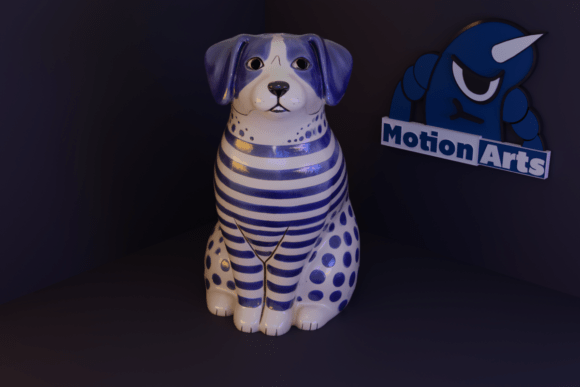
Decorative Dog Statue: A Strategic Asset for Design and Branding
In the realm of interior design and creative manufacturing, the Decorative Dog Statue represents more than a simple figurine; it is a strategic tool for establishing atmosphere, conveying brand identity, and exploring the capabilities of additive manufacturing. For entrepreneurs, designers, and hobbyists alike, this specific 3D printable model offers a unique intersection of artistic expression and technical accessibility. The piece, characterized by its stylized sitting posture, attentive gaze, and contemporary patterns of stripes and polka dots, serves as a tangible example of how digital assets can be transformed into high-value physical objects.
When evaluating the utility of a Decorative Dog Statue, one must look beyond its aesthetic appeal to understand its role in broader operational and creative goals. Whether used as a centerpiece in a modern office, a component of a curated gift line, or a test case for refining 3D printing workflows, this sculpture demands a thoughtful approach. Its design, which mimics handcrafted ceramics through integrated surface details, allows creators to achieve professional results without the fragility often associated with traditional pottery. This balance between delicate appearance and structural integrity makes it an ideal candidate for those seeking to optimize their production processes while maintaining high artistic standards.
The Strategic Value of Stylized Sculpture in Modern Environments
Integrating a Decorative Dog Statue into a physical space is a deliberate decision that influences perception and mood. In modern and creative environments, such as co-working spaces, boutique showrooms, or home offices, the presence of art signals attention to detail and a commitment to a distinct aesthetic. Unlike generic mass-produced items, this specific model features soft shapes and a closed-volume design that communicates stability and elegance. For business owners and marketers, placing such an object strategically can enhance the customer experience by creating a welcoming, personalized atmosphere that resonates with visitors on an emotional level.
The artistic language of the statue—combining affection for dogs with a contemporary visual style—serves as a non-verbal communication tool. It speaks to values of warmth, creativity, and modernity. When deployed in a retail setting, it acts as a conversation starter, potentially increasing dwell time and engagement. For freelancers and content creators, featuring this Decorative Dog Statue in photography or video projects adds depth and narrative interest, elevating the perceived quality of the content. The striped and polka-dot patterns provide visual texture that breaks up monotony in digital feeds, making the content more shareable and memorable.
Leveraging 3D Printing for Scalable Creativity
From an operational perspective, the Decorative Dog Statue is engineered for efficiency. The design prioritizes accessible 3D printing parameters, featuring continuous surfaces and a stable base that minimize the need for complex support structures. This technical optimization is crucial for beginners and professionals who aim to reduce material waste and post-processing time. By choosing a model designed with these constraints in mind, creators can streamline their workflow, ensuring that the transition from digital file (STL format) to physical object is smooth and reliable.
This efficiency translates directly into better resource allocation. For small business owners looking to launch a product line of decorative items, the ability to print a high-quality piece with minimal failure rates is a significant competitive advantage. The closed volumes ensure that the interior of the statue is solid, adding weight and a sense of permanence that cheap, hollow shells lack. Furthermore, the integrated decorative details mean that the final result does not rely heavily on manual painting or assembly, allowing for rapid prototyping and scaling. Whether producing a single monochrome version for personal use or preparing a batch for sale, the Decorative Dog Statue supports a leaner, more agile production strategy.
Optimizing the Workflow: From File to Finished Piece
- Material Selection: While the design works well in standard PLA, considering PETG or resin can alter the perceived value. Resin captures the fine details of the ceramic-like patterns more sharply, suitable for high-end gifts, while PLA offers durability for everyday decor.
- Support Strategy: Although the model is optimized, strategic placement of supports under the chin and paws ensures the "attentive look" remains undistorted during the print. Minimizing contact points preserves the smooth finish required for the elegant aesthetic.
- Post-Processing: The smooth surfaces require minimal sanding. For a monochrome finish, a light polish may suffice. However, for painted versions, the integrated textures provide natural guides for color application, reducing the skill barrier for artists.
Positioning the Decorative Dog Statue for Market Impact
For entrepreneurs and marketers, the Decorative Dog Statue offers a versatile platform for branding and gifting strategies. Its dual nature—as both a plain monochrome object and a canvas for artistic painting—allows for customization that aligns with specific brand identities. A tech startup might opt for a sleek, matte black finish to match a minimalist corporate palette, while a lifestyle brand could utilize vibrant colors to highlight the playful stripes and polka dots. This flexibility enables businesses to create exclusive, limited-edition items that drive exclusivity and desirability among their target audience.
In the context of corporate gifting, the statue functions as a sophisticated token of appreciation. It avoids the pitfalls of generic promotional merchandise by offering genuine artistic merit. Recipients perceive it not as disposable swag, but as a thoughtful addition to their personal or professional space. This perception enhances the sender's brand image, associating the company with quality, care, and creativity. Moreover, because the model is designed for 3D printing, companies can produce these gifts on-demand, reducing inventory costs and environmental impact compared to traditional bulk manufacturing.
Decision-Making Framework for Implementation
Before committing to the production or acquisition of a Decorative Dog Statue, stakeholders should evaluate the intended outcome against their strategic objectives. Is the goal to enhance a physical space, create a new revenue stream, or test a new manufacturing technology? Understanding the primary driver ensures that resources are invested effectively.
- Define the Objective: Determine if the statue is for immediate display, long-term collection, or commercial resale. This dictates the choice of material and finishing techniques.
- Assess Audience Expectations: Consider the taste and preferences of the end-user. Does the contemporary, stylized look align with their existing decor or brand identity?
- Evaluate Technical Capacity: Ensure that the available 3D printers and post-processing tools can handle the specific requirements of the model, such as layer height and support removal.
- Plan for Customization: If painting is involved, allocate time and budget for primers, paints, and sealants to achieve a professional-grade finish that matches the ceramic aesthetic.
Risks of Unintentional Deployment
While the Decorative Dog Statue is a powerful asset, its effectiveness diminishes when used without clear intent. Placing such a distinctive piece in an environment where it clashes with the overall design language can create visual dissonance rather than harmony. Similarly, attempting to mass-produce the item without understanding the nuances of 3D printing—such as warping or layer adhesion issues—can lead to wasted materials and damaged reputations. The "beginner-friendly" nature of the model should not be mistaken for "effortless." Achieving the desired elegance requires adherence to best practices in slicing, printing, and finishing.
Furthermore, relying solely on the novelty of the object without integrating it into a broader narrative can limit its impact. A statue that sits unnoticed fails to fulfill its potential as a communication tool. To maximize value, the Decorative Dog Statue must be contextualized within a story—whether that is the story of sustainable manufacturing, the celebration of pet ownership, or the fusion of digital and traditional art forms. Without this narrative anchor, the object risks becoming just another shelf ornament, losing the strategic edge that thoughtful design provides.
Long-Term Value and Creative Growth
Ultimately, the Decorative Dog Statue serves as a catalyst for creative growth and operational refinement. For those new to 3D printing, it offers a low-risk entry point to master essential skills like orientation, support generation, and surface finishing. As proficiency increases, the lessons learned from this project can be applied to more complex designs, fostering a culture of innovation within a team or individual practice. For established creators, it provides an opportunity to experiment with new materials and finishes, pushing the boundaries of what is possible with desktop manufacturing.
The enduring appeal of the statue lies in its ability to bridge the gap between digital precision and human emotion. It captures the essence of a puppy—the attentiveness, the charm, the silence that speaks volumes—and translates it into a durable form. This translation is the core of effective design: taking abstract concepts and making them tangible. By approaching the Decorative Dog Statue with a strategic mindset, creators can unlock its full potential, turning a simple STL file into a meaningful contribution to their portfolio, business, or living space.
In conclusion, the decision to utilize this Decorative Dog Statue should be driven by a clear vision of the desired outcome. Whether aiming to elevate an interior, launch a product line, or refine technical skills, the key lies in intentional execution. By respecting the design's constraints and leveraging its strengths, users can achieve results that are not only visually striking but also strategically sound. The statue stands ready, not just as a silent observer, but as an active participant in the creation of value, beauty, and connection.