Transforming Spaces with Aesthetic Slat Wood Interior Texture
In the evolving landscape of contemporary interior design, few materials command attention quite like wood. Specifically, the Aesthetic Slat Wood Interior Texture has emerged as a defining element for modern architectural spaces. This design choice goes beyond simple decoration; it represents a convergence of natural warmth and precise geometric order. Whether utilized in a high-end corporate office or a serene residential zen room, the vertical rhythm of wooden slats introduces depth, character, and a sense of calm that is increasingly sought after by designers and homeowners alike.
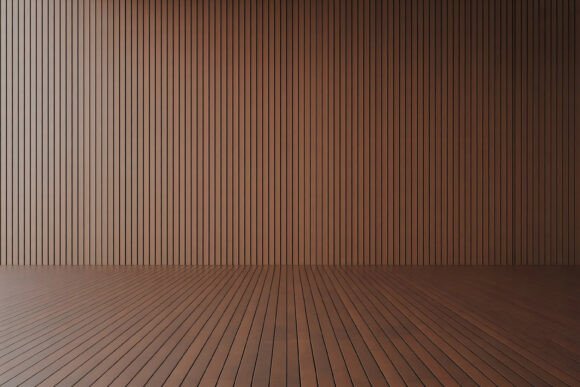
The appeal of this texture lies in its versatility. It bridges the gap between rustic charm and sleek minimalism. By manipulating light, shadow, and grain patterns, architects can alter the perception of space, making small rooms feel taller or vast halls feel more intimate. As digital resources like the Aesthetic Slat Wood Interior Texture Size 4096x2730Px become available, professionals can visualize these transformations before a single plank is cut, ensuring that the final execution meets exacting standards of quality and aesthetic harmony.
The Architectural Power of Vertical Lines
One of the most significant characteristics of wood paneling featuring vertical lines is its ability to manipulate spatial perception. In architectural design, the direction of a pattern dictates how the eye moves through a room. Horizontal elements tend to widen a space, while vertical elements draw the gaze upward, creating an illusion of height. This makes the wooden wall composed of vertical slats an ideal solution for rooms with low ceilings or narrow dimensions.
The clean lines inherent in this style contribute to a feeling of order and structure. Unlike solid walls which can appear flat and monotonous, a ribbed background created by timber texture adds a subtle three-dimensional quality. The interplay of light across the grooves between slats creates dynamic shadows that shift throughout the day, breathing life into static surfaces. This effect is particularly pronounced when using dark wood texture options, where the contrast between the illuminated face of the plank and the shadowed recess amplifies the linear background's visual impact.
Enhancing Acoustics and Comfort
Beyond aesthetics, the practical application of wood slats offers functional benefits, particularly regarding acoustics. In open-plan offices or large living areas, hard surfaces often lead to echo and noise pollution. A plank wall acts as a sound diffuser. The gaps between the slats and the porous nature of the wood itself help absorb and scatter sound waves, contributing to a quieter, more comfortable environment. This makes the material highly relevant for studio backdrops, conference rooms, and recording studios where audio clarity is paramount.
Furthermore, the tactile quality of hardwood texture invites touch. In an era dominated by cold glass and metal, the presence of natural wood provides a sensory connection to the organic world. This biophilic design principle suggests that incorporating natural elements improves well-being and reduces stress. An empty wood room filled with natural oak background elements can instantly transform from a sterile box into a welcoming sanctuary.
Material Selection: From Rustic to Luxury
The term "wood" encompasses a vast array of species, each offering unique grain patterns and color palettes. Selecting the right timber is crucial for achieving the desired mood. For those seeking a premium background look, walnut wood is often the top choice. Its rich, deep brown tones and complex grain patterns exude sophistication and elegance. When finished with a matte or satin coat, walnut creates a luxury wood aesthetic that feels timeless rather than trendy.
Conversely, lighter woods like oak offer a brighter, airier feel. The oak background is characterized by prominent grain lines and a warm, golden hue that reflects light beautifully. This makes it suitable for spaces where natural lighting is abundant or where a Scandinavian minimalist vibe is preferred. The realistic texture of oak can range from smooth and polished to wire-brushed, enhancing the rustic wood appeal while maintaining a modern edge.
For projects requiring a dramatic statement, dark wood texture options such as charred cedar or stained eucalyptus provide a bold contrast. These darker tones are excellent for creating focal points, such as a feature wall behind a bed or a reception desk. The depth of the color absorbs light, making the room feel cozy and enclosed, perfect for media rooms or intimate dining areas.
Sustainability and Carpentry Considerations
As sustainability becomes a priority in building texture choices, the source of the timber matters. Responsible forestry ensures that the use of wood does not deplete natural resources. Many modern carpentry backdrops utilize reclaimed wood or rapidly renewable species like bamboo, which can be engineered to mimic the look of traditional hardwoods. This approach aligns with the values of eco-conscious consumers and businesses aiming for green certifications.
Installation techniques also play a role in the final appearance. The precision of the joinery determines how seamless the surface design appears. High-quality craftsmanship ensures that the gaps between slats are uniform, preserving the integrity of the vertical pattern. Whether the project involves traditional nail-down methods or modern floating systems, the goal is to achieve a flawless finish that highlights the beauty of the wood grain without distraction.
Digital Visualization and Design Workflows
In the pre-construction phase, visualization tools are indispensable. Designers rely on high-resolution assets to present concepts to clients accurately. The availability of resources like the Aesthetic Slat Wood Interior Texture Size 4096x2730Px allows for detailed rendering without pixelation. This resolution supports large-format printing for mockups and high-definition screen displays, enabling stakeholders to see exactly how the wood will look in different lighting conditions.
Digital paper and 3D wood wall models facilitate rapid prototyping. Architects can experiment with various angles, lighting setups, and color combinations to determine the optimal configuration. This digital-first approach reduces waste and cost by identifying potential issues before physical work begins. It also streamlines communication between the design team, contractors, and clients, ensuring everyone shares a clear vision of the indoor scene.
Moreover, these digital assets serve as valuable references for photographers and content creators. When setting up a studio backdrop for product photography or virtual tours, having a reference image helps in positioning props and adjusting camera settings to capture the true essence of the wood surface. The linear background provided by these textures ensures that products stand out against a structured yet organic canvas.
Trends in Contemporary Interiors
Current trends indicate a strong preference for mixed materials. While wood remains central, it is often paired with concrete, steel, or glass to create a balanced composition. The decorative background of wood slats softens the harshness of industrial materials, resulting in a contemporary interior that feels both robust and inviting. This fusion is evident in top trending designs for co-working spaces, boutique hotels, and modern homes.
The concept of the "zen room" has also gained traction, emphasizing tranquility and mindfulness. In these spaces, the repetitive rhythm of the vertical pattern acts as a visual meditation tool. The simplicity of the design eliminates clutter, allowing the mind to rest. Whether achieved through actual construction or digital simulation, the aesthetic wood theme supports a lifestyle focused on balance and harmony.
Practical Applications Across Industries
The utility of wood paneling extends far beyond residential living. In commercial settings, the office backdrop plays a critical role in branding and employee experience. A reception area featuring a premium background of walnut slats immediately conveys professionalism and stability. Similarly, retail environments use wood grain patterns to create distinct zones within a store, guiding customer flow and highlighting merchandise.
For educational institutions, the flooring texture and wall treatments can influence student focus and comfort. Classrooms designed with natural wood elements often report improved engagement levels. The warm tones reduce the sterility of institutional environments, fostering a more creative and collaborative atmosphere. Researchers have noted that exposure to natural textures can lower cortisol levels, suggesting a physiological benefit to incorporating wood into learning spaces.
In the hospitality sector, the elegant room design is paramount. Hotels and restaurants leverage the rustic wood or luxury wood finishes to create memorable guest experiences. A bedroom with a timber texture headboard or a restaurant with a plank wall divider offers guests a sense of place and authenticity. These details differentiate establishments in a competitive market, appealing to travelers seeking unique and immersive environments.
Maintenance and Longevity
Investing in wood interiors requires consideration of long-term maintenance. While wood is durable, it is susceptible to moisture, temperature fluctuations, and wear. Proper sealing and regular cleaning are essential to preserve the surface design. For high-traffic areas, harder species or treated finishes may be necessary to prevent scratches and dents. However, the aging process of wood can be seen as an asset; over time, the patina that develops adds character and history to the space.
When selecting a wood background for a specific application, understanding the environmental conditions is key. Bathrooms and kitchens require moisture-resistant treatments, while outdoor applications demand weather-proofing. Indoor scenes generally offer more flexibility, but humidity control remains important to prevent warping or cracking. With proper care, a wood wall can last for decades, becoming a cherished part of the building's identity.
Conclusion on Visual Impact and Functionality
The integration of Aesthetic Slat Wood Interior Texture into modern design represents a sophisticated approach to creating meaningful spaces. It combines the primal allure of nature with the precision of contemporary architecture. From the highest download digital assets used in planning to the final installation of a real timber texture, every step emphasizes the importance of detail and intention.
Whether the goal is to enhance acoustics, define a brand identity, or simply create a beautiful room backdrop, wood slats offer a versatile solution. They adapt to various styles, from the rugged appeal of rustic wood to the refined elegance of luxury wood. As we move forward, the continued innovation in materials and design techniques will only expand the possibilities for this timeless element, ensuring its place as a cornerstone of interior design for years to come.