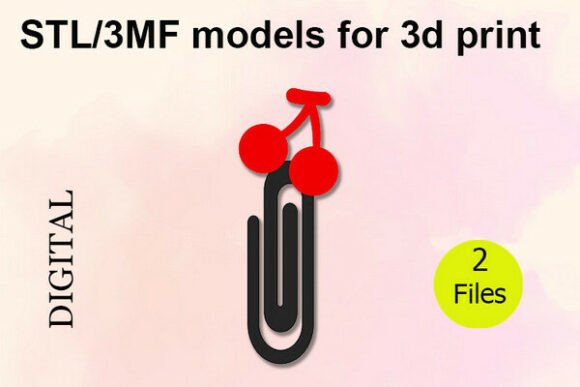
Paper Clips, Owl STL 3MF Files: A Practical Guide to Custom Stationery
The intersection of functional stationery and creative digital fabrication has opened new avenues for personalizing everyday office and school supplies. Among the various designs available in the maker community, Paper Clips, Owl STL 3MF Files represent a specific niche that combines utility with whimsical design. For adults aged 20 to 50 who are evaluating options for journaling, scrapbooking, or organizing documents, understanding the technical and aesthetic implications of these digital assets is crucial before committing to a project.
This guide explores what makes these files distinct, how they compare to traditional stationery or other digital formats, and the practical considerations involved in bringing an owl-shaped paper clip topper from a digital file to a physical object.
Understanding the Format: STL vs. 3MF
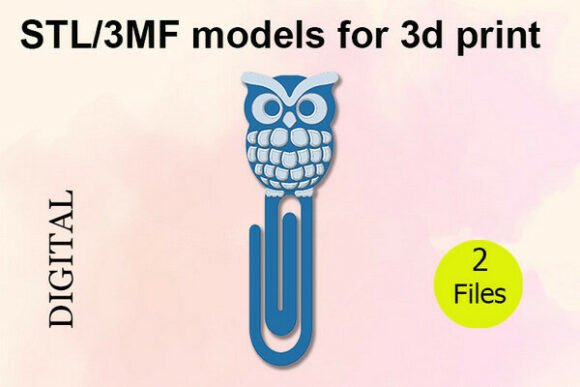
When researching digital models for 3D printing, the file format is often the first decision factor. The Paper Clips, Owl STL 3MF Files package typically offers two distinct versions, each serving different hardware capabilities and user skill levels. Understanding the difference between these formats helps determine which version fits your current setup.
The STL file is the industry standard for single-color 3D printing. It defines the surface geometry of a three-dimensional object but contains no information about color or texture. If you own a standard FDM (Fused Deposition Modeling) printer that uses a single spool of filament at a time, the STL file is the most compatible choice. This format allows you to print the entire owl model in one material, such as matte black, pastel blue, or metallic silver. After printing, the model can be painted by hand to add details like eyes or wing patterns, offering a tactile, artisanal finish.
In contrast, the 3MF file is a newer, more robust format designed to handle complex data, including pre-set color separation. This is particularly relevant for multi-color printers, such as those utilizing Bambu Lab's AMS system or Stratasys' PolyJet technology. The 3MF version of the owl paper clip comes with embedded instructions on where the body, eyes, and details should be printed in different colors. This eliminates the need for post-processing painting if you have access to multi-material hardware, resulting in a cleaner, factory-like appearance straight off the build plate.
Design Characteristics and Printability
A significant advantage of the Paper Clips, Owl STL 3MF Files lies in their geometric optimization. Many intricate 3D models require "supports"—temporary structures printed alongside the main object to prevent overhangs from collapsing. These supports must be removed after printing, often leaving behind rough surfaces that require sanding and finishing.
The owl design described here is engineered as a single solid piece that does not require supports. This is a critical feature for both beginners and experienced makers. For a novice, it simplifies the workflow by removing the risk of damaging the delicate owl features during support removal. For an experienced user, it reduces material waste and post-print cleanup time. The clean, detailed design ensures that even at smaller scales suitable for paper clips, the defining characteristics of the owl—such as its large eyes and rounded head—remain visible and recognizable.
Comparing Custom Printed Clips to Commercial Alternatives
Before deciding to print your own accessories, it is helpful to compare them against mass-produced alternatives found in stationery stores. Commercial paper clips and toppers are widely available, inexpensive, and ready to use immediately. However, they often lack uniqueness and may be made from materials that feel cheap or prone to rusting over time.
Paper Clips, Owl STL 3MF Files offer a level of customization that commercial products cannot match. You control the scale, allowing you to create miniature versions for thin notebooks or larger, more substantial clips for thick planners. You also control the material properties; using durable PLA, PETG, or flexible TPU filaments can result in a product that outlasts flimsy metal or plastic store-bought options.
However, there are tradeoffs. Printing requires an upfront investment in hardware and consumables. If you only need one or two clips, buying a pack of ten from a retailer is likely more cost-effective than the time and electricity required to print. The value of the digital files becomes apparent when you need multiple units, wish to gift personalized items, or want to integrate the design into a broader collection of matching stationery.
Ideal Use Cases and Applications
The versatility of the owl design makes it suitable for several specific scenarios. Its primary function is as a decorative topper for standard paper clips, transforming a mundane office tool into a conversation starter. This is particularly effective in professional settings where a touch of personality is welcome, such as in creative agencies, educational environments, or small business offices.
Beyond simple clipping, these models serve well as:
- Journaling Accents: Securing loose pages in bullet journals or sketchbooks without the bulk of a binder clip.
- Bookmarks: When scaled up slightly, the flat back of the clip can slide easily between pages, marking a spot while adding visual interest.
- Gift Components: Including a custom-printed owl clip with handmade greeting cards or care packages adds a thoughtful, personalized touch.
- Scrapbooking Elements: Attaching photos or ephemera to album pages in a way that complements nature-themed layouts.
For animal lovers specifically, the owl motif resonates with themes of wisdom and night, making it a popular choice for students or professionals who work late hours. The ability to customize the color scheme via the 3MF file allows users to match their existing planner systems or seasonal decor.
Evaluating Limitations and Decision Factors
While the Paper Clips, Owl STL 3MF Files offer distinct advantages, they are not the optimal solution for every situation. One limitation is the mechanical strength of 3D-printed plastic compared to steel. While sufficient for holding a few sheets of paper, these clips may struggle with heavy stacks of documents or prolonged tension. They are best suited for light-duty organizational tasks rather than heavy archival binding.
Another consideration is the licensing and intended use. These files are typically sold under terms that allow the buyer to sell the physical printed items but prohibit reselling the digital files themselves. This is a common practice in the digital goods market to protect the creator's intellectual property. If your goal is to start a business selling stationery, this model provides a legal pathway to do so, provided you credit the original creator and adhere to the specific terms of the license agreement.
Furthermore, the aesthetic appeal relies heavily on print quality. A poorly calibrated printer may produce layer lines that obscure the cute, playful details of the owl. Users must ensure their slicer settings are optimized for small, detailed prints, potentially requiring slower print speeds and finer layer heights. If you lack the time or equipment to achieve high-quality results, purchasing a professionally printed version might be a better alternative.
Making the Right Choice for Your Needs
Deciding whether to utilize Paper Clips, Owl STL 3MF Files ultimately depends on your goals regarding customization, volume, and resource availability. If you are looking for a quick, low-cost solution for immediate use, traditional stationery remains the pragmatic choice. However, if you value unique design, material durability, and the ability to tailor the product to your specific aesthetic preferences, the digital files offer superior flexibility.
The inclusion of both STL and 3MF formats broadens the accessibility of the design, catering to a wide range of 3D printing technologies. Whether you are a hobbyist looking to add a charming detail to your daily planner or a small business owner seeking a unique inventory item, understanding the strengths and limitations of these files ensures a successful outcome. By weighing the initial effort of printing against the long-term benefits of a bespoke accessory, you can make an informed decision that aligns with your creative and organizational needs.